PRP for Hair Loss: How It Works and Why It Matters
Wiki Article
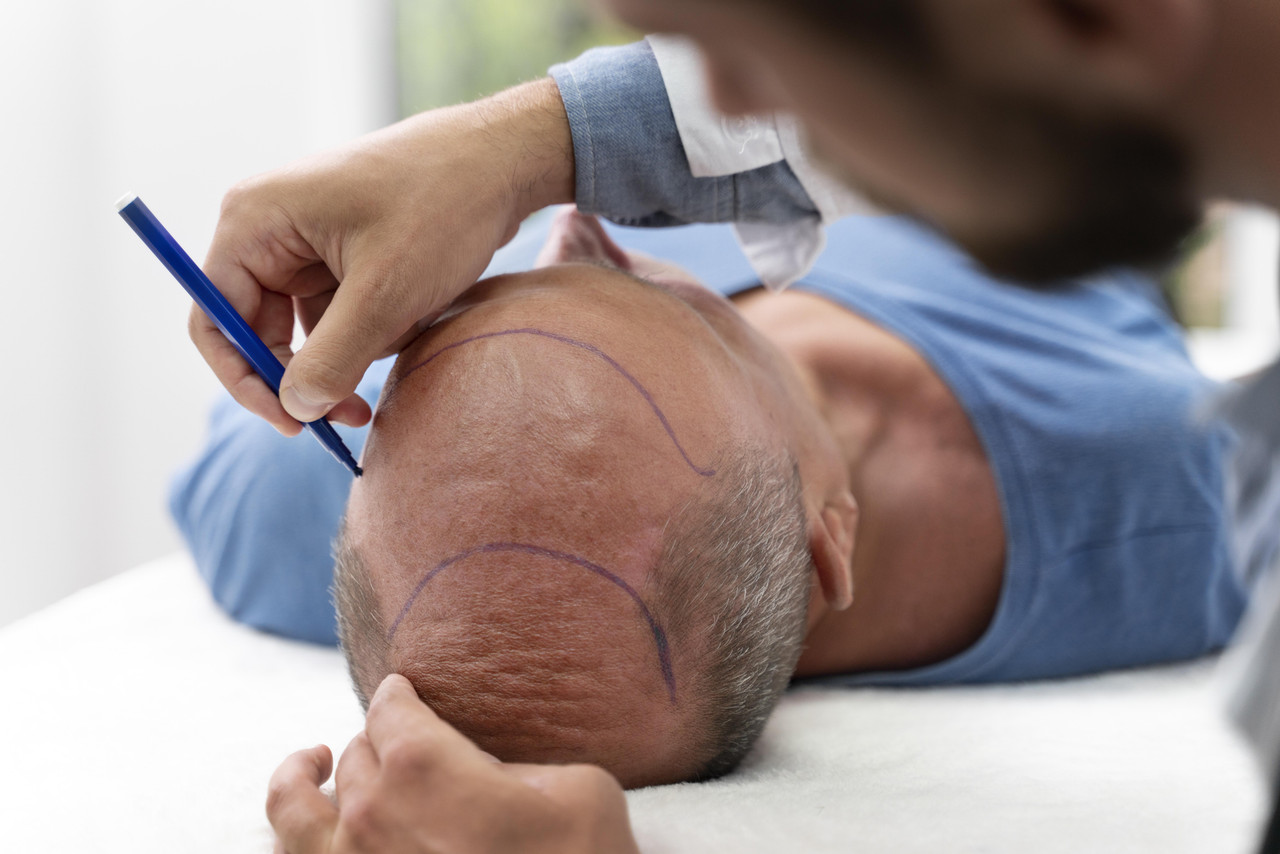
Hair loss affects millions of men and women worldwide, often impacting self-esteem and personal image. Though topical treatments and oral medications are widely used, advancements in regenerative medicine have brought a new solution: Platelet-Rich Plasma (PRP). Backed by scientific research and clinical use, PRP has become a key player in non-surgical hair loss treatments.
Platelet-Rich Plasma: Mechanism and Function in Hair Loss
Platelet-Rich Plasma is created from the patient’s own blood. A small blood sample is taken and processed using a centrifuge to isolate plasma that is rich in platelets. These platelets contain growth factors that play a crucial role in tissue repair and cell regeneration. Injected directly into the scalp, PRP activates weak hair follicles, encouraging them to resume active growth.The science behind PRP lies in its ability to improve blood supply to the follicles, reduce inflammation around them, and activate stem cells in the follicle bulge. This combination helps slow down hair thinning and, in many cases, encourages thicker, healthier hair regrowth.
Why PRP is an Effective Hair Loss Solution
Clinical studies have shown that PRP can significantly improve hair density and hair shaft thickness, particularly in individuals with androgenetic alopecia. Because PRP uses the patient’s own biological material, the risk of allergic reactions or serious side effects is extremely low. For those seeking natural and minimally invasive options, PRP is highly attractive.Another important benefit is that PRP works well alongside other hair loss solutions. When combined with hair transplants, PRP can improve graft survival and speed up recovery. Patients who are not candidates for surgery can rely on PRP as a standalone therapy to slow hair loss and preserve current hair.